Everything below started as a real problem in a real classroom. Looking for something to actually use right now? Head to Resources instead - this page is the story behind the work.

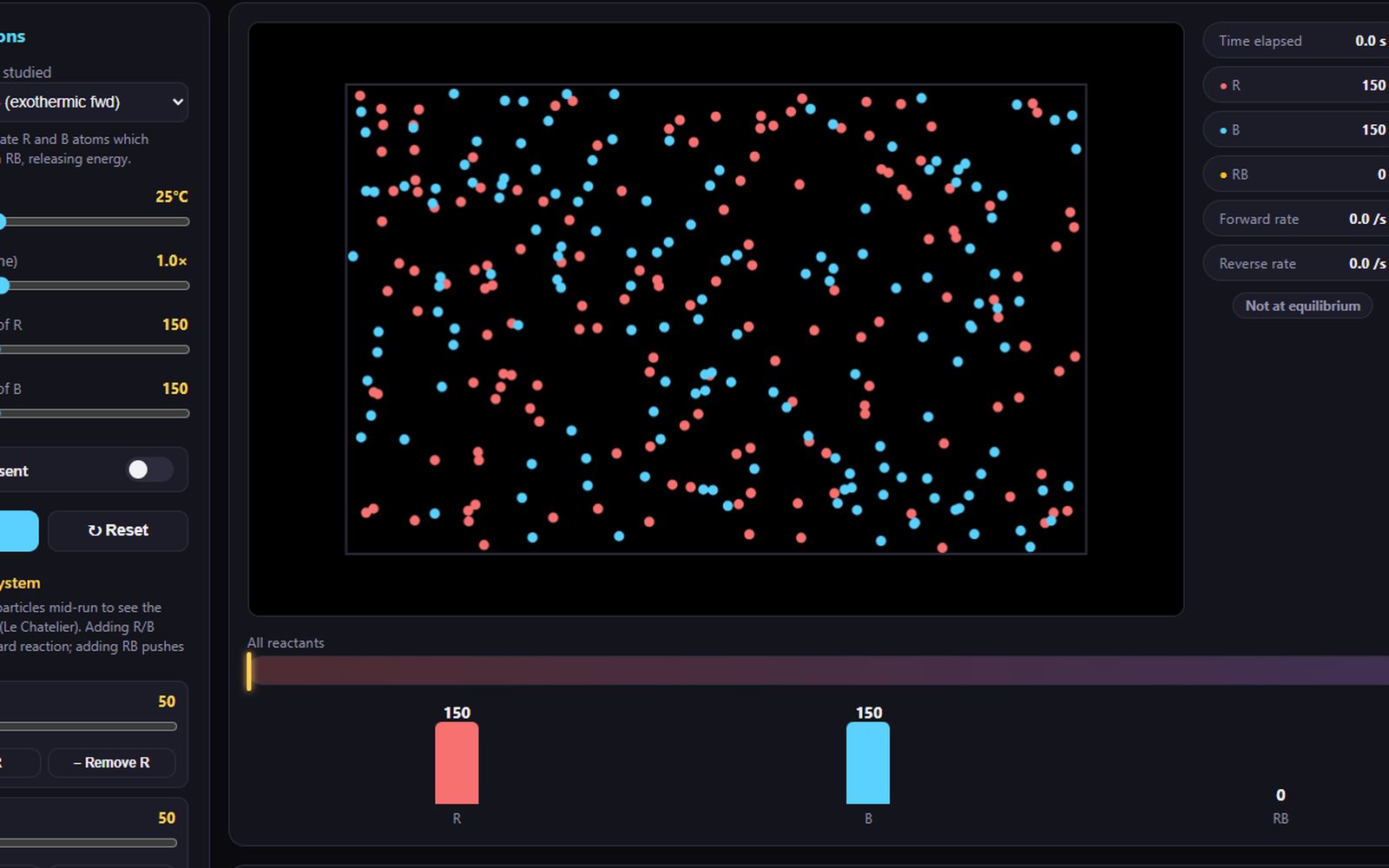
Six interactive simulations covering bonding, rates, equilibrium and moles, sharing one consistent design system.
Read the case study →
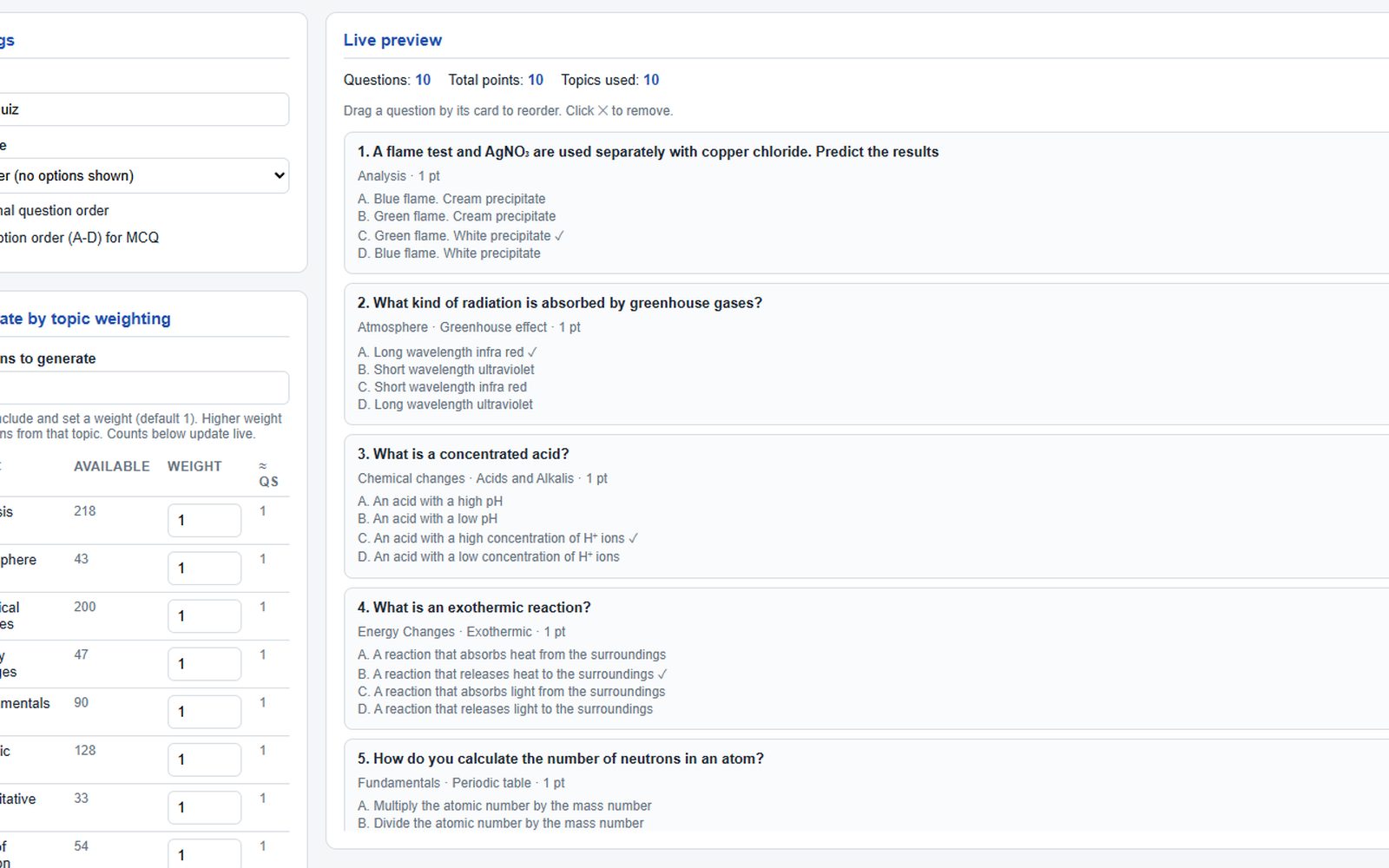
Generate a ready-to-use retrieval quiz from a topic list, for a starter or plenary.
Read the case study →
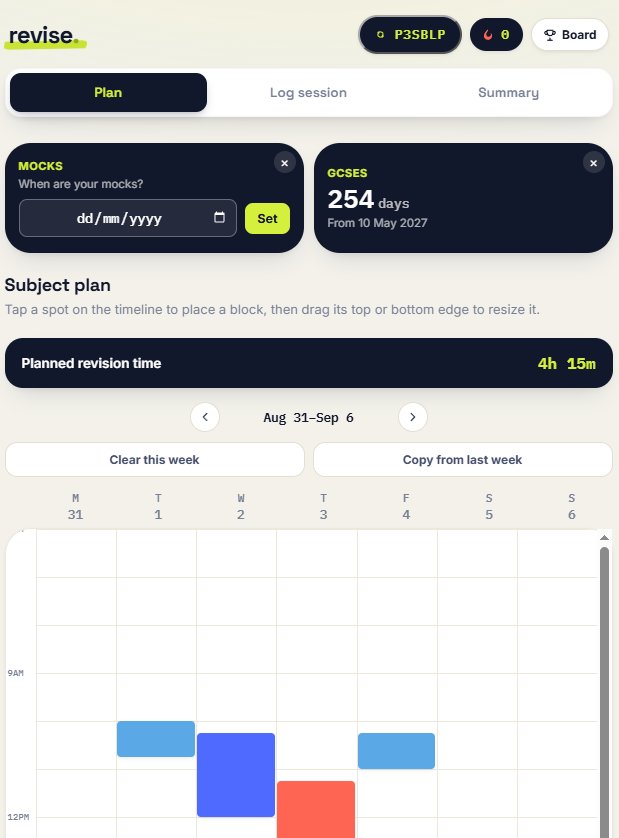
A student revision tracking platform built around plan, do, review - with a parent view alongside it.
Read the case study →
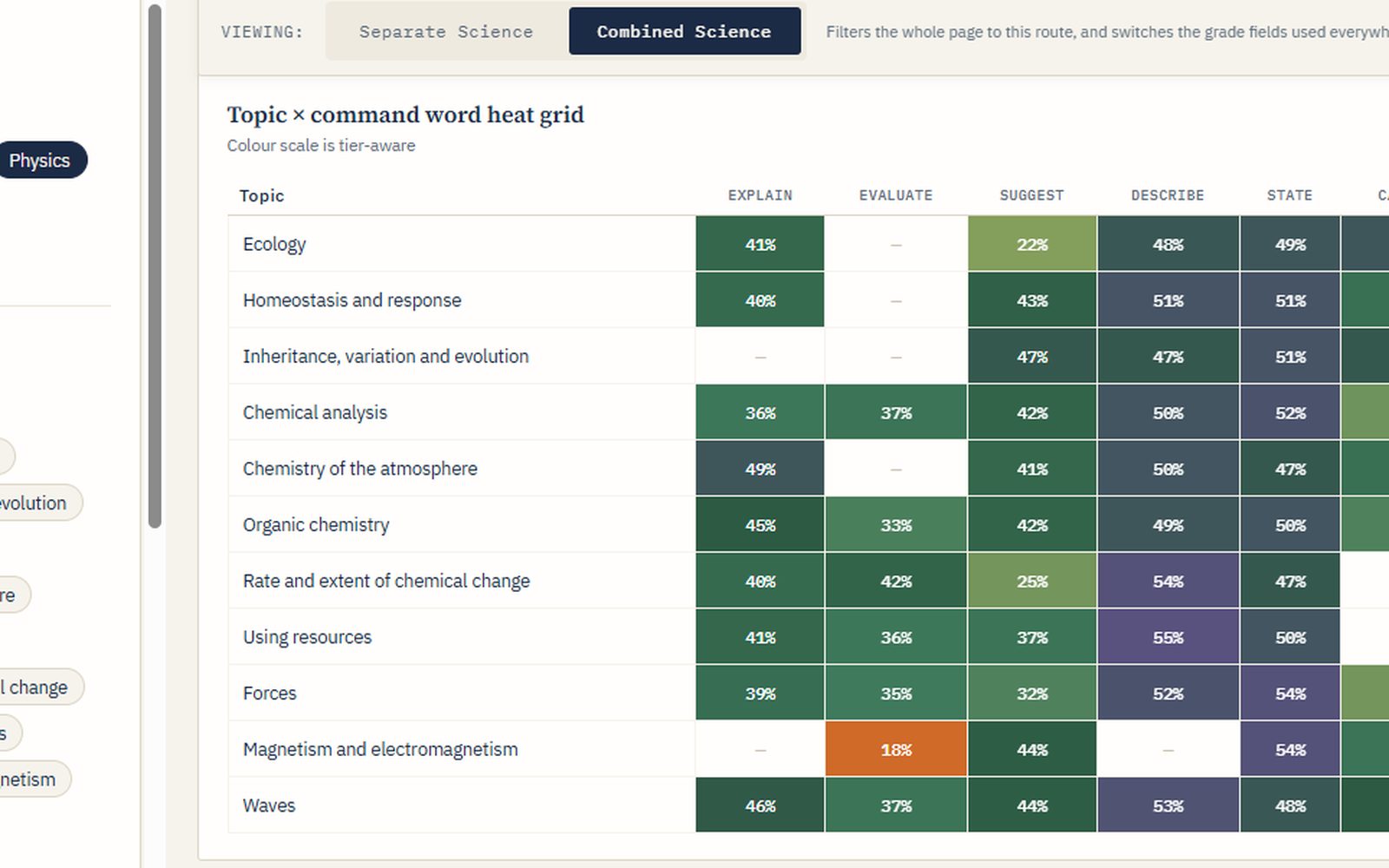
Question-level assessment analysis that turns raw marks into information about where students are struggling.
Read the case study →
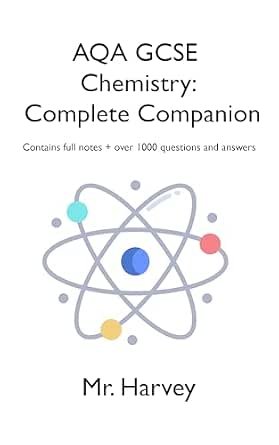
A full revision companion covering the AQA GCSE Chemistry specification, available on Amazon.
View on Amazon →
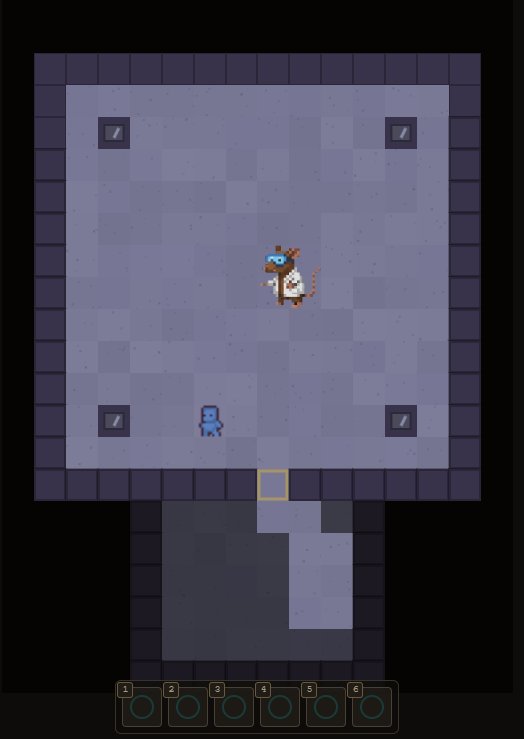
A science-themed escape game that combines curriculum questions with game mechanics.
Read the case study →Six interactive simulations covering bonding, rates, equilibrium and moles.
In chemistry, students have to balance the symbolic, macroscopic and microscopic all in their head, no easy feat, physical practicals and static diagrams only go so far for for some of the most difficult topics. Understadning requires scaffolding from an expert and plenty of practice.
These simulations allow the stundets to get to grip with the microscopic details of chemistry and are perfect for walking them through difficult concepts in class, or for homework to explore and complete virtual labs or practice calculations.
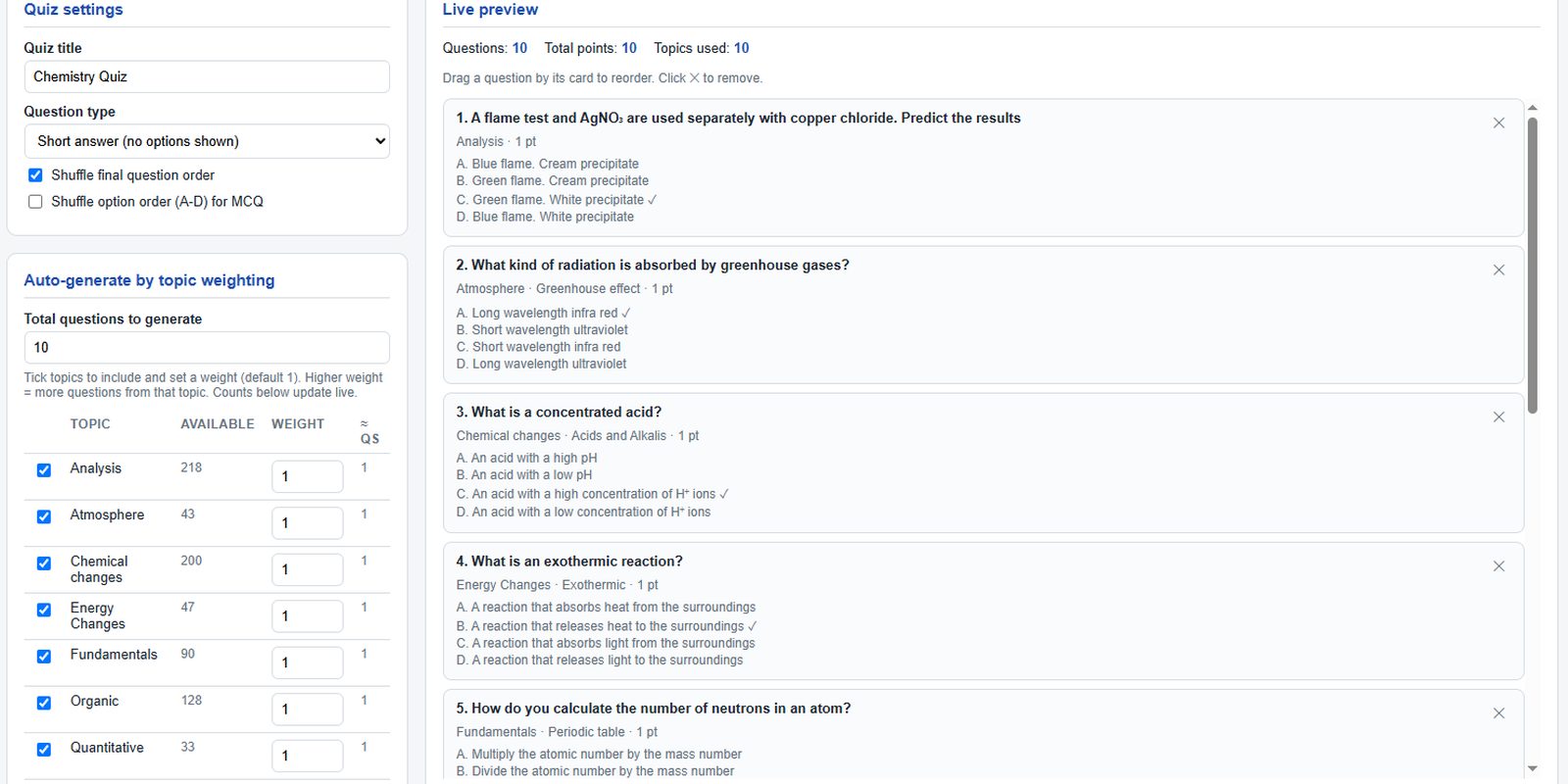
A tool to generate quizzes either for paper, PowerPoint, or as a self-marking HTML file for homework.
Try the Quiz Maker →
Completing practice questions and thinking hard is one of the best ways for anyone to learn, but I was finding I spent more time than I would like on setting quality work, especially when it came to using assessment to plan revision and plug gaps.
This used to exist as a simple Excel sheet with some poorly written VBA macros. I generated MCQ quizzes for students to complete and quickly collected answers with a scanner app. With the help of AI this is now a user-friendly HTML file that anyone can add their own custom content to, so they can spend more time doing what matters.
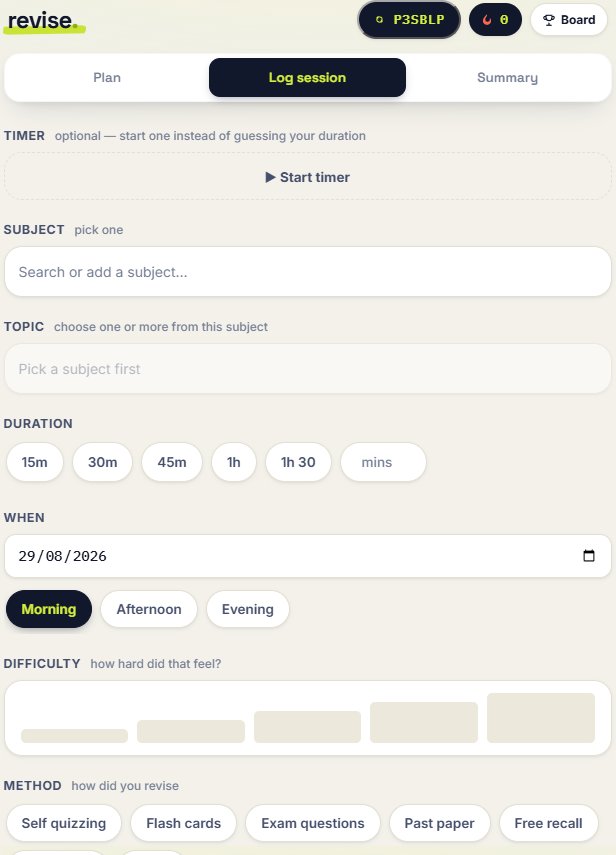
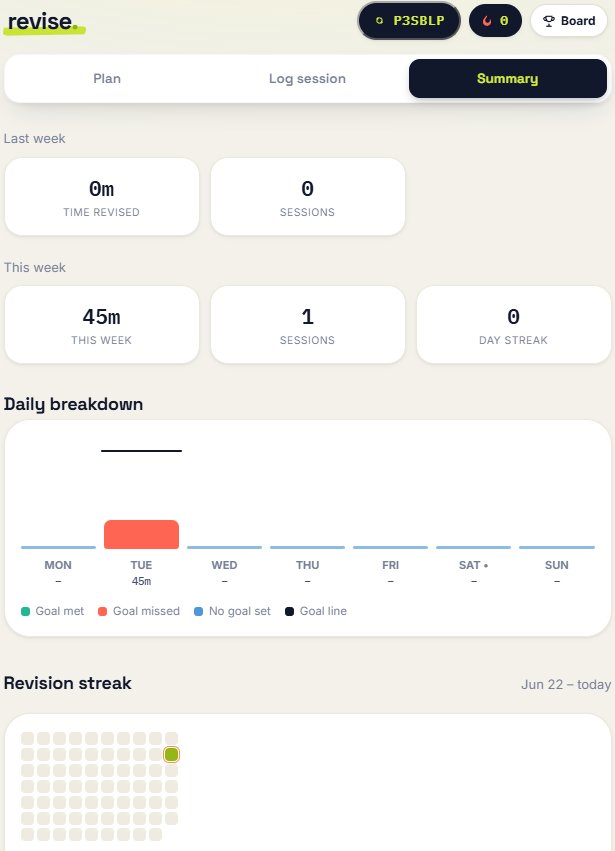
A student revision tracking platform built around three steps: plan a session, log what you actually did, then review your progress.
Try it live →"Revise for your exams" is not a plan. Students who sit down to revise with no structure tend to re-read notes passively. Plenty of tracking apps exist but I wanted one with all the features, for free.
A three-step loop: set a topic and goal before starting, log the session as it happens (subject, duration, method, difficulty), then see progress build over time through streaks and a weekly summary. Managing revision doesn't have to be boring, The app includes optional friend group leaderboards, a "spotify wrapped esq" revision wrapped after key points and a secret tamagochi game where your revision gives you points to look after a pet.
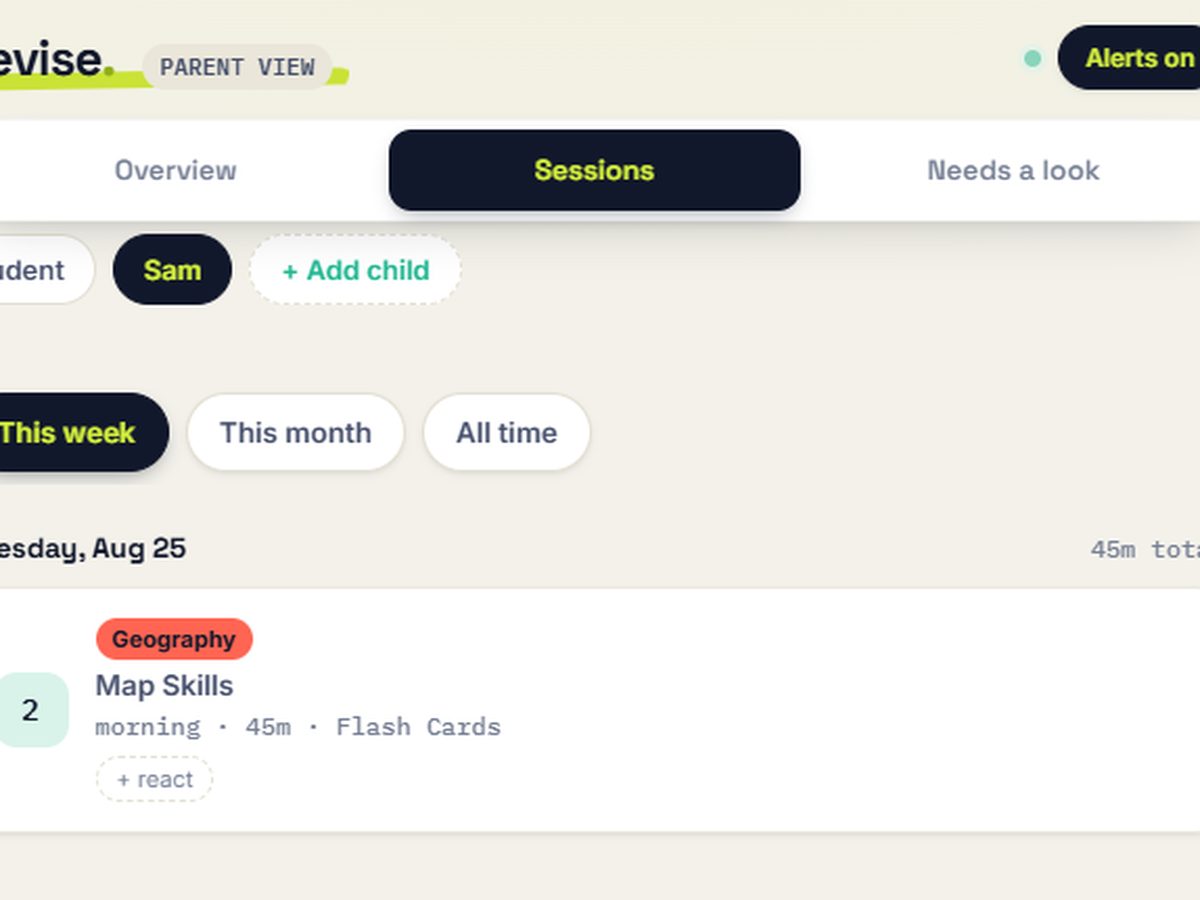
Parents can see that revision is happening and roughly where time is going, without micromanaging every session.
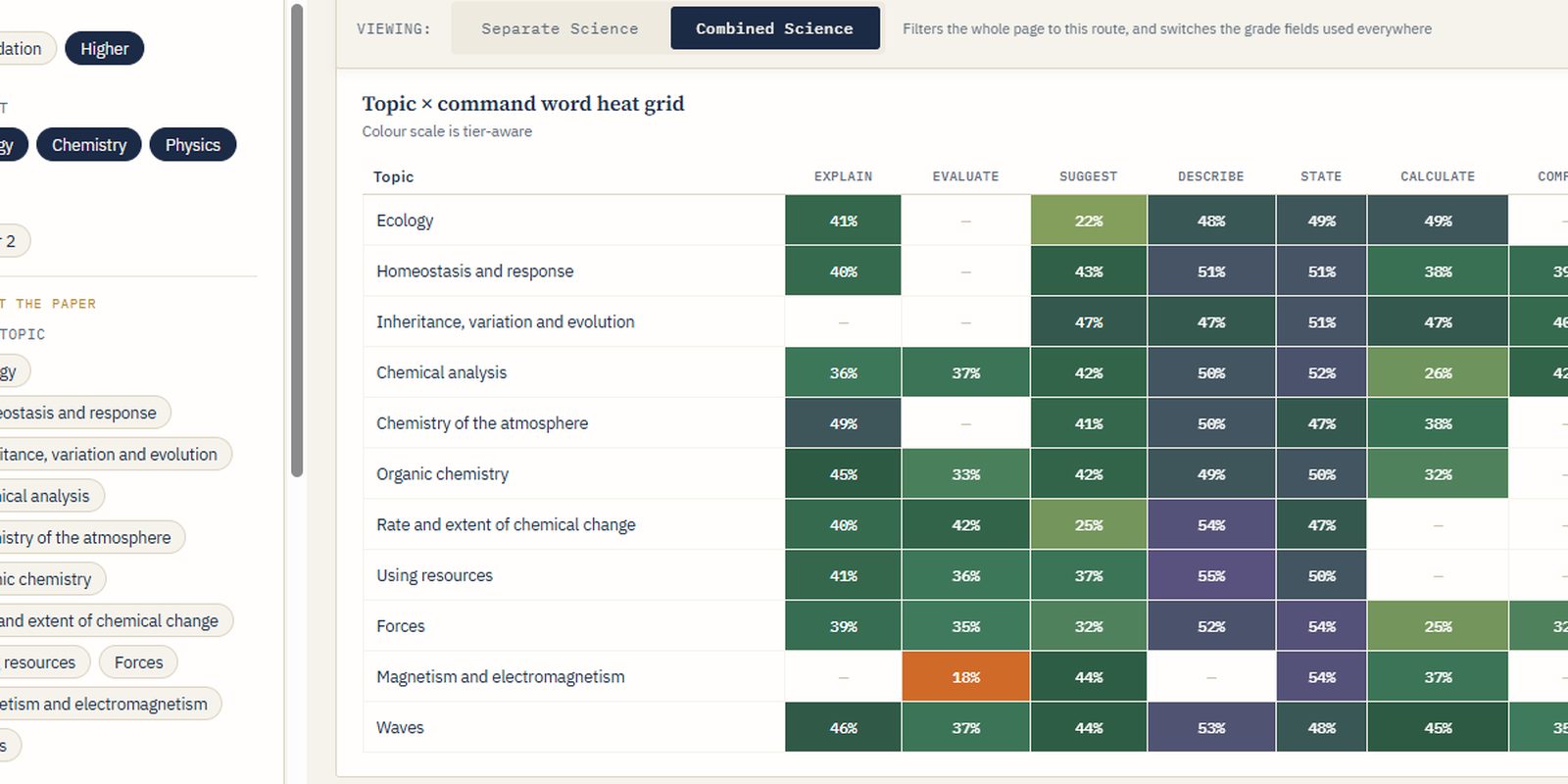
Question-level analysis that turns raw assessment data into information about exactly where students are struggling providing insights for your team and for students and parents.

Put simply, this problem is, how to get the most out of assesment and has been my favourite problem to contribute to so far. The idea for this came about from a Year 11 parents evening a number of years ago, where using my quiz maker, I tracked each students scores by topic and subtopic and used this to produce a 1 page report for each of them higlhighting strengths and weaknesses which we reviwed on parents evening. This was well recieved as I later found out from a conversation with the head. I wondered how this could be used across more students.
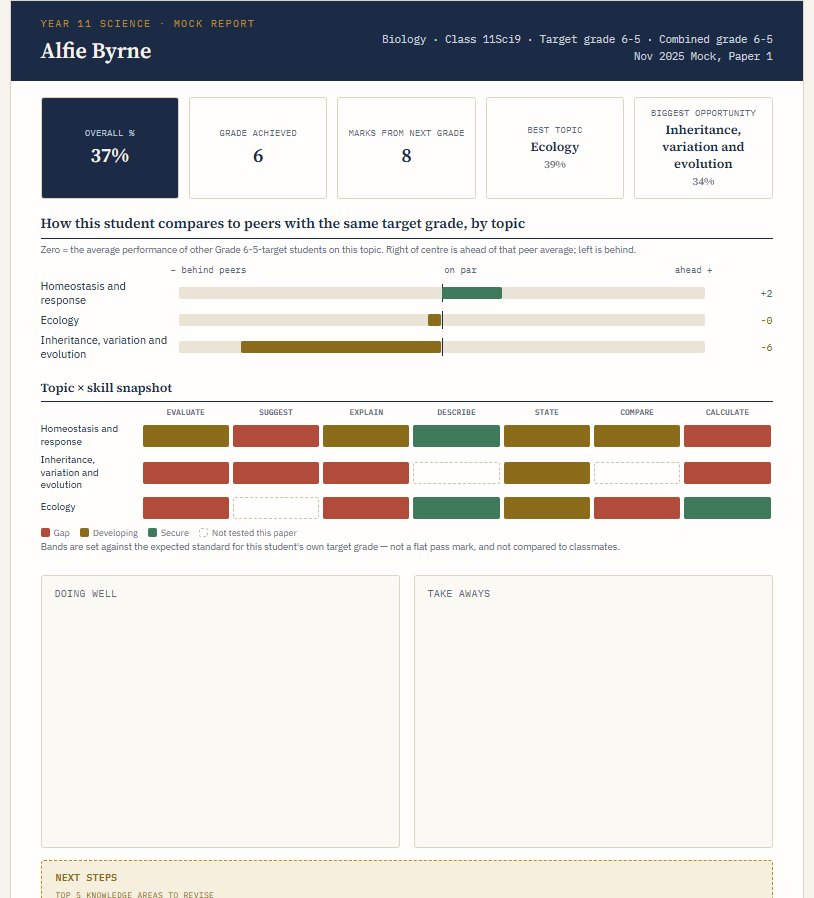
In mock review sessions, students complete a sheet summarising their marks. This is scanned and combined with teacher generate metadata about the questions and then automatically analysed. All of this happens locally with no AI and a minimal time investment from teachers and heads of departments. The output is an interactive dashboard that can be used to drive departmental improvemnts and individualised reports for each student.
Built initially as an internal tool for one department; available as a bespoke build for other schools on request.
Want to see it in action first? Both tools below are loaded with fake data so you can click around freely:
An individual student report generated from the same underlying data.
A science-themed escape game that combines customiseable questions with game mechanics Currently in Alpha testing.

If I had to give a problem here I would say something like "Retrieval practice is effective, but pure quizzing has limited engagement, especially for lower-attaining or reluctant students near the end of a long topic." But in reality I made this to help me improve my limited coding, learn how to work with AI and to see if I could.
A browser-based escape-room game where correct answers unlock treasure and help you overcome bosses. I think I will offer top students in year 11 mocks the chance to be turned into a boss fight